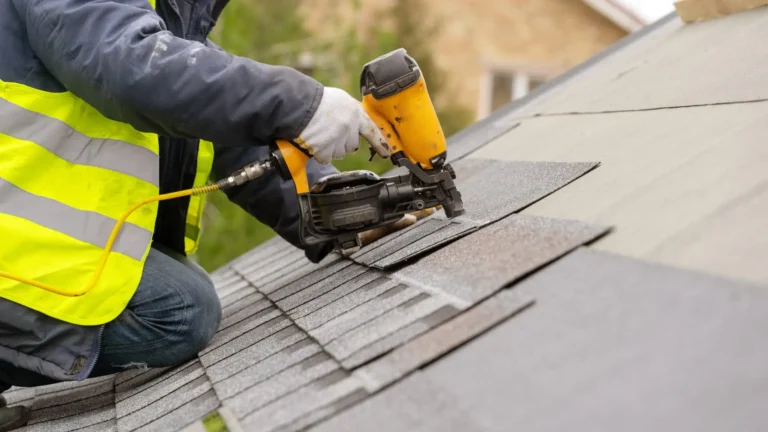
A leaking roof is one of the most stressful problems a homeowner can face. Water stains spreading across a ceiling, a musty smell in the attic, or drips during a storm all signal that something has gone wrong above the living space. In Virginia Beach, the combination of coastal humidity, salt air, and hurricane season makes roofs work harder than in most other parts of the country. Understanding the common causes behind a leak helps homeowners catch problems early and avoid costly interior damage.
1. Storm and Hurricane Damage
Virginia Beach sits directly in the path of Atlantic storms, and hurricane season brings heavy rain, high winds, and airborne debris that can compromise even a well-built roof. Wind gusts lift shingles at the edges, creating gaps where water seeps through during the next rainfall. Flying debris, from tree branches to loose gutters, can puncture the roofing material outright.
Homeowners often notice leaks appear suddenly after a major storm, even when no obvious damage is visible from the ground. A roof inspection following any significant weather event is one of the best ways to catch storm-related damage before it turns into a full-blown leak.
2. Damaged or Missing Shingles
Shingles form the first line of defense against water intrusion. Cracked, curling, or missing shingles expose the underlayment beneath, and once that layer is compromised, water finds its way into the wood decking and eventually the interior of the home.
Coastal salt air accelerates the breakdown of asphalt shingles compared to inland homes. Combined with intense summer UV exposure, Virginia Beach roofs tend to show wear faster than the national average. A visual check for lifted, cracked, or bald shingles (where the protective granules have worn away) can reveal early warning signs before a leak develops.
3. Flashing Failures Around Roof Penetrations
Flashing is the thin metal material installed around chimneys, skylights, vents, and roof valleys to direct water away from vulnerable seams. When flashing rusts, cracks, or pulls away from its original position, it creates a direct path for water to enter the home.
This is one of the most common sources of leaks that homeowners overlook, since the shingles surrounding a chimney or vent may look perfectly fine. The problem sits underneath, at the joint where two roofing sections meet. Flashing failures often show up as ceiling stains near a fireplace, skylight, or bathroom vent rather than in the middle of a roof plane.
4. Clogged or Damaged Gutters
Gutters are designed to channel water away from the roofline and foundation. When gutters fill with leaves, pine needles, or debris, water has nowhere to go and instead backs up under the shingles. Over time, this trapped moisture rots the roof decking and fascia boards, leading to leaks along the roof’s edge.
Virginia Beach’s tree-lined neighborhoods make gutter clogs especially common in fall and after coastal storms. Homeowners who skip regular gutter cleaning often see leaks concentrated near the eaves rather than higher up on the roof.
5. Poor Attic Ventilation
Attic ventilation regulates temperature and moisture beneath the roof deck. Without adequate airflow, heat and humidity build up, causing condensation to form on the underside of the roof sheathing. Over months and years, that trapped moisture can rot wood, warp decking, and create conditions that look and behave exactly like a water leak, even without an active storm.
Poor ventilation also shortens the lifespan of shingles from the inside out, since excess attic heat causes materials to degrade faster than normal. Homes in Virginia Beach’s humid climate are particularly susceptible to this issue, especially in older homes with outdated ventilation systems.
6. Aging Roof Materials
Every roofing material has a expected lifespan. Asphalt shingles typically last 15 to 25 years, depending on quality and installation, but coastal exposure to salt air, humidity, and intense sun often shortens that window. As roofing materials age, seals weaken, granules wear away, and the material becomes more brittle and prone to cracking.
A roof nearing the end of its lifespan may develop leaks even without a specific triggering event like a storm. General wear and material fatigue are enough to allow water through, particularly around seams, valleys, and edges.
7. Improper Installation or Repairs
Not every leak traces back to weather or age. Roofs installed or repaired without following manufacturer specifications, local building codes, or proper flashing techniques often develop leaks within just a few years. Proper nail placement, underlayment overlap, and flashing integration during roof repair all matter for long-term water resistance.
Homeowners who purchased a home with a roof installed by a previous owner’s contractor sometimes inherit these issues without knowing it until the first heavy rain exposes the problem.
Signs You Have a Roof Leak
Some leaks are obvious, but many stay hidden for weeks or months before becoming visible indoors. Common warning signs include:
-
Brown or yellow stains spreading across ceilings or walls
-
Peeling paint or bubbling drywall
-
A musty odor in the attic or top-floor rooms
-
Visible daylight through the attic roof deck
-
Granules from asphalt shingles collecting in gutters or on the ground
-
Sagging areas on the roofline
Catching these signs early prevents a small leak from turning into structural damage, mold growth, or a full roof replacement in Virginia Beach.
What to Do If Your Roof Is Leaking
Acting quickly limits the damage a roof leak can cause. Homeowners should:
-
Contain interior water damage with a bucket or tarp if the leak is active.
-
Document the damage with photos for insurance purposes.
-
Avoid climbing onto the roof without proper safety equipment.
-
Schedule a professional roof inspection as soon as possible.
A licensed roofing contractor can identify the exact source of the leak, which is often located several feet away from where the water stain appears indoors, since water travels along rafters and decking before dripping down.
When to Call a Professional Roofing Contractor
While minor issues like a single missing shingle might seem like a simple fix, roof leaks are rarely as straightforward as they appear. What looks like a small problem on the surface can indicate a much larger issue with flashing, decking, or ventilation underneath. Virginia Beach’s coastal climate adds another layer of complexity, since salt air and storm exposure accelerate wear in ways that inland roofs never experience.
A professional inspection identifies the true source of the leak, checks for related damage, and provides a repair plan built for the specific conditions of the region. Following top roof maintenance tips, especially after hurricane season, remains one of the most effective ways Virginia Beach homeowners can avoid emergency repairs and protect their homes long term.
Final Thoughts
Roof leaks in Virginia Beach rarely come down to a single cause. Storm damage, aging materials, flashing failures, and ventilation issues often combine over time to create the conditions for water intrusion. Recognizing the early signs and scheduling regular inspections, particularly after major storms, gives homeowners the best chance of catching problems before they turn into costly repairs.