The terracotta roof tiles have a long history of use that has not yet been forgotten. Their cozy, natural appearance, along with their long history, makes them a good option for many homeowners. Nevertheless, terracotta tiles, including roofing materials, have their advantages and shortcomings. It is necessary to know how they perform, the price, and whether they will fit in your home and climate before deciding on whether they are worth the investment.
Introduction to Terracotta Roof Tiles.
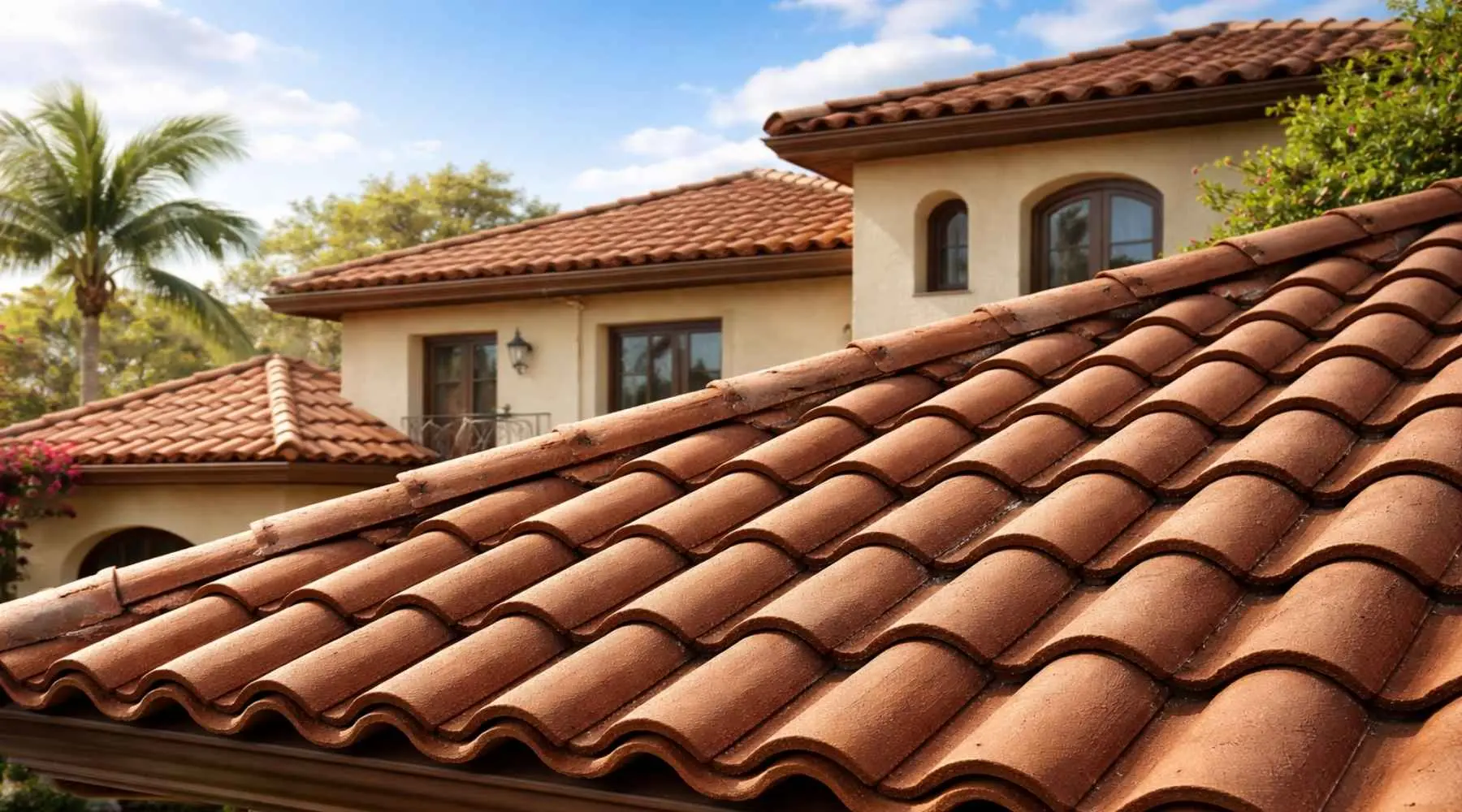
The terracotta tiles are formed by using natural clay, which is molded and baked at high temperatures. This is what makes them look solid and reddish-brown. Terracotta is a natural product, unlike modern synthetic materials; therefore, it appeals to homeowners who prefer more conservative and environmentally friendly building materials.
These tiles are popular in Mediterranean, Spanish, and classic-style houses, yet they can be used in modern designs, provided they are installed properly. They can be regarded as aging beautifully and becoming much better over time.
The benefits of Terracotta Roof Tiles
The strength of terracotta tiles is one of the material’s greatest benefits. They last 50 years or above when installed and well-maintained. They even, in some cases, survive longer than the structure on which they are. This makes them a long-term roof cover rather than a short-term solution, and working with expert tile roofing services ensures proper installation for lasting durability.
The terracotta tiles are also suitable in hot climates. Clay also has resistant properties to heat, thus requiring interior spaces to be cooler during hot seasons. This can reduce the cooling system load and improve overall comfort in the house.
The other significant advantage is that they are resistant to fire, rot and insects. Terracotta cannot be easily burned or infested by pests, unlike wood-based materials. It also does not rust or decay, which contributes to its extended lifespan.
In terms of appearance, terracotta tiles have an inimitable appearance. They have a natural color and feel that gives them more character and charm, which improves curb appeal and, in most instances, property value.
Disadvantages to Consider
Terracotta roof tiles have flaws, regardless of their advantages. Their weight is one of the greatest disadvantages. These are heavier than asphalt shingles, which implies that the roof element needs to be robust enough to support them. Other structural work may also be required, which would add to the overall cost.
Terracotta tiles are also brittle. Being long-lasting, though, each tile may also crack if walked on improperly or subjected to severe shock, e.g., a falling tree. When repairs are complete, the damaged tiles are typically replaced rather than patched, which may be time-consuming.
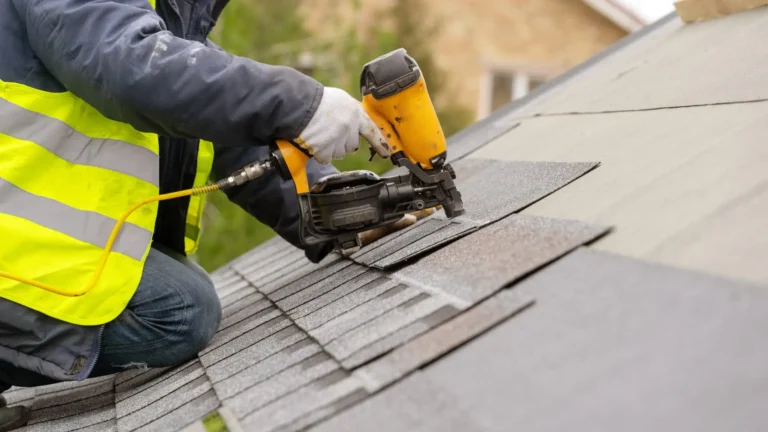
The other criterion is installation. The roofing should be installed by skilled people as to align, drain, and perform in the long term. Leaks or premature damage may occur due to poor installation, thereby diminishing the material’s gains.
For further details on proper installation techniques and best practices, This Old House has a helpful roofing resource that covers tile roof installation and maintenance:
Pricing and Overall Cost
Compared with traditional roofing materials such as asphalt shingles, terracotta roof tiles are considered very costly. The price will include not only the tiles but also installation and potential structural reinforcement.
Terracotta roofing is more expensive initially, on average, but it has a long lifespan, which can pay off over time. The investment can be viable for long-term homeowners who will not move out of their houses, as replacement is much less common.
The cost of maintenance is moderately high. Although it might be necessary to replace the tiles occasionally, the roof does not need frequent treatments or coatings.
Terracotta: Is it the Right Option?
Terracotta tiles are recommended to homeowners concerned with durability, appearance, and long-term performance, rather than low initial costs. They are particularly applicable in dry or warm climates and to houses constructed to sustain their weight.
Special attention should be given to houses in regions where freezing often occurs. The moisture absorbed into the tiles may expand during freezing, resulting in cracks if the tiles are not designed to withstand such conditions.
At Domi roofing, we assist homeowners in assessing whether terracotta tiling is a smart option, depending on the roof structure, climate, and budget. The advantages and disadvantages are clearly illustrated to help homeowners make an informed decision. When its placement and installation are well thought out and professionally performed, domi roofing can provide the beauty, strength, and value of the terracotta roofs.
FAQs
What is the life span of the terracotta roof tiles?
When properly installed and properly maintained, terracotta roof tiles will last 50 years or longer. They have a natural resistance to weather, fire, and pests; therefore, they age well, unlike most other roofing materials.
Are terracotta tiles costly to maintain?
The cost of maintenance is usually low. Although the single tiles could be replaced if they are broken, there is no need to have the roof fixed or treated very often, and therefore, maintenance is not particularly difficult over the long term.