Your roof keeps your house dry, warm, and secure. Even the finest roofs tire with time. Homeowners take too long to act because not all problems are easy to spot. Being aware of the warning signs early saves money, prevents damage, and ensures your family’s safety. The following are eight obvious indicators that you should replace your roof.
1. Your Roof Is Reaching the End of Its Lifespan
Not all covering materials last long. Asphalt shingle roofing is expected to last 20 to 25 years, but other types of roofs, such as metal, tile, or slate, may last longer. As your roof nears or exceeds its expected age, more issues will occur. Although it may appear good at the ground level, aging materials lose their strength and protection. An old roof is usually more advantageous to replace than to refurbish repeatedly.
2. Cracking, Missing, or Curling Shingles.
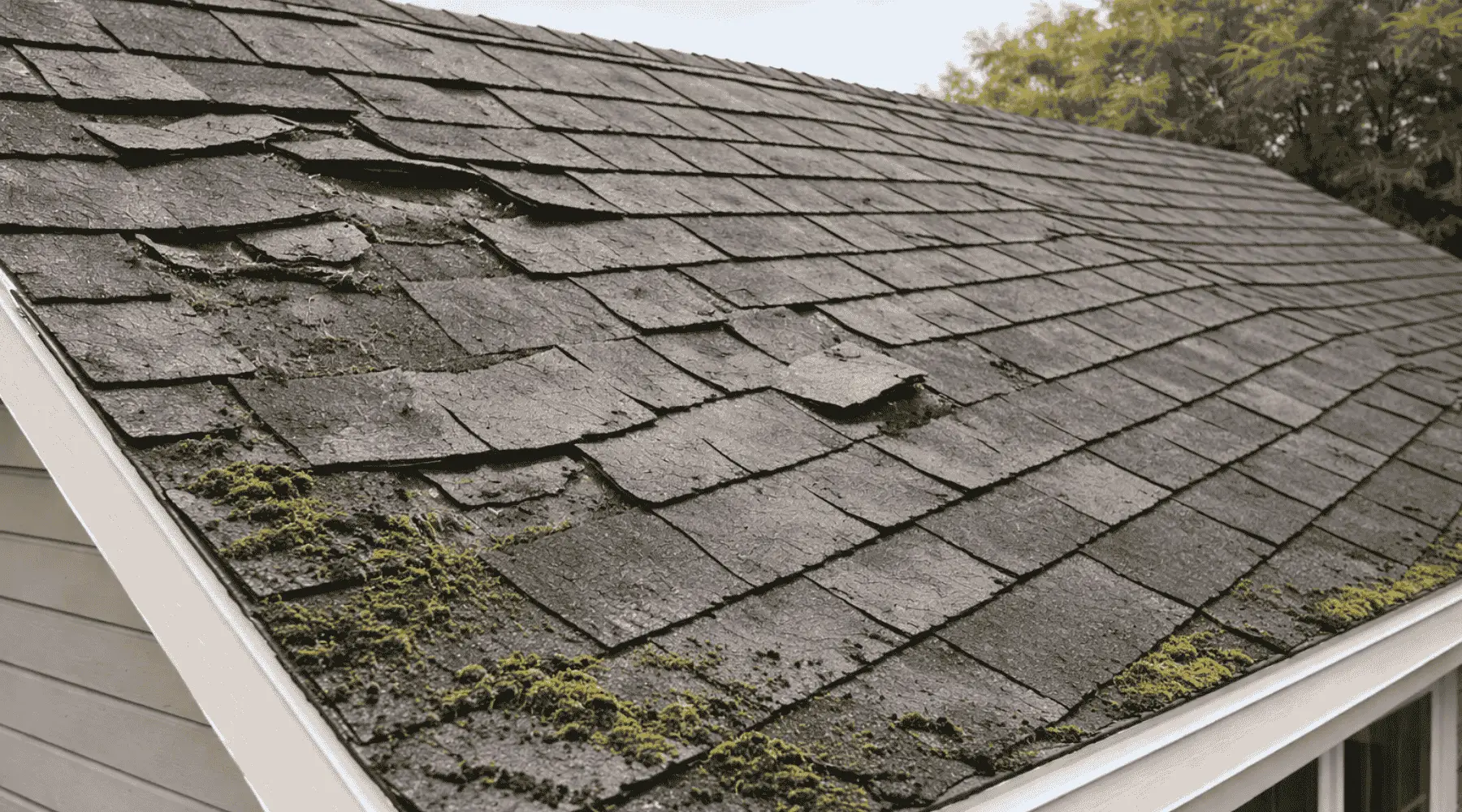
The roof has a first line of defense: the shingles. Water can easily get inside when they curl at the edges, crack, or are lost. Old age or heat damage is commonly referred to as curling shingles. Cracks typically develop after several years of exposure to the sun. Strong winds always leave missing shingles. In cases where a large number of shingles are damaged, roof replacement is the safest option.
3. Gutters or About the Home Granules.
The asphalt shingles have granules that shield them against weather and sunlight. The fact that these granules wash into the gutters or accumulate around downspouts indicates worn-out shingles. The small number of granules is normal, but the large number indicates loss of roof protection. Shingles cannot retain water and disintegrate quickly without granules.
4. Leaks or Stains of Water in the House.
Ceilings or walls with water stains are also serious warning indicators. The leaks can appear as brown spots, peeling paint, and damp areas. The leak is sometimes visible miles apart from the actual roof damage. Even minor leakages may lead to mould, rotting of wood, and damage to insulation. If the leakage persists despite fixing the roof, a complete replacement of the entire roof might be needed.
5. Sagging Roof Areas
A sloping roof is a significant issue, and it should not be disregarded. It tends to indicate structural problems caused by stagnant moisture, decayed wood, or weak support systems. Drooping corners can either be seen on the roof or in the attic. This issue may escalate rapidly and pose a threat. In most instances, replacement is needed to boost safety and strength.
6. Daylight Visible in the Attic.
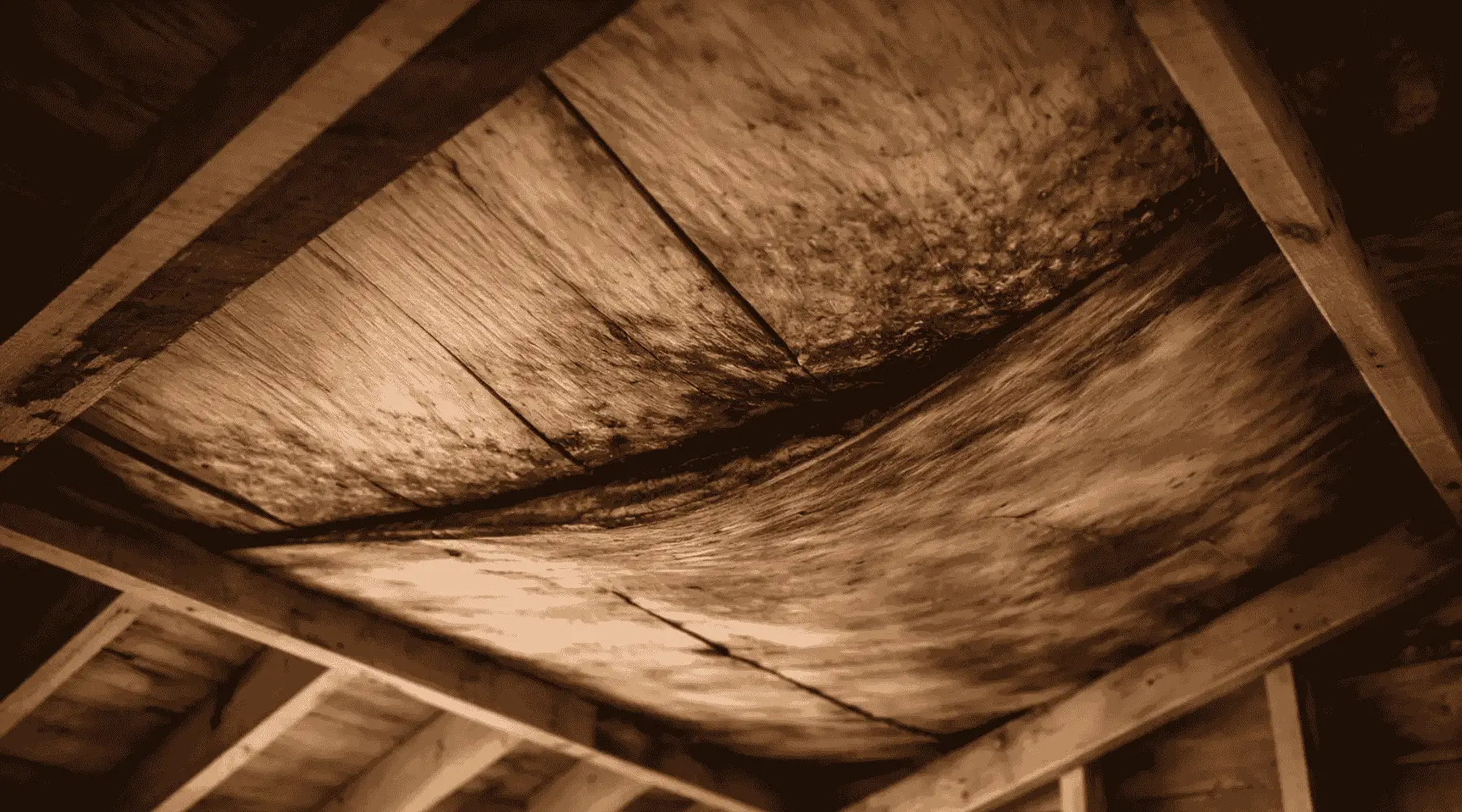
During the day, go up to your attic and look up. When the roof boards are exposed to sunlight, you can find holes where water can enter. The gaps could be due to shingles that have been lost, improperly put there, or worn over a long period. Incoming light also tends to draw moisture in, causing damage that spreads over time.
7. Rising Energy Bills
The roof can fail, affecting the temperature inside. Roofing materials do not last, so they allow heat to escape in winter and absorb it in summer. This causes heating and cooling systems to work more. Unless there is another obvious explanation for why your energy bills continue to rise, it could be that your roof is no longer insulating. It is possible to replace it with increased energy efficiency and comfort.
8. Constant Repairs with No Long-lasting Effects.
When you find yourself making a phone call to fix your roof every year or after each storm, maybe it is time to stop repairing and start replacing. The process of constant repair is very expensive and might not fix more fundamental issues. With a new roof, there is long-term safety, fewer concerns, and, in many cases, a guarantee. Replacement is, in most instances, cheaper than patchwork.
Another consideration that the homeowners should make is weather damage. Poor roofing materials may weaken over time due to hail, heavy rain, strong winds, and falling debris. Although it may not be immediately obvious, constant exposure to extreme weather conditions can reduce a roof’s lifespan and make it more prone to future leaks and structural issues.
Why Acting Early Matters
Putting off roof repairs may result in interior damage, increased repair expenses, and safety hazards. Water spillages may extend to walls, ceilings, and foundations. Growth of molds may harm the indoor air quality. You stop the decay of your home by installing a roof at the appropriate time.
Final Thoughts
Your roof does not fall in a day. It provides warnings that cannot be overlooked. Signs of old age, external damage, spilling, and increasing energy costs are indicators of possible replacement. A professional roof service can ensure everything goes smoothly and assist you in planning. Installing your roof at the right time gives you peace of mind, enhanced protection, and long-term savings.
FAQs
What is the frequency of a roof replacement?
The average lifespan of a roof covering in asphalt shingles is 20-25 years, with the possibility of longer life for metal or tile. Lifespan is also influenced by weather, maintenance quality, and installation.
Is it possible to repair the roof rather than replace it?
Yes, if the damage is small and confined to a small portion. Nonetheless, destruction, numerous leaks, or an old roof typically indicate that replacement is the more viable long-term alternative.