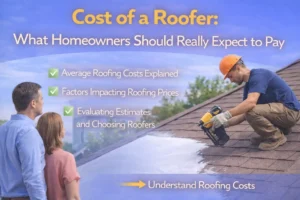
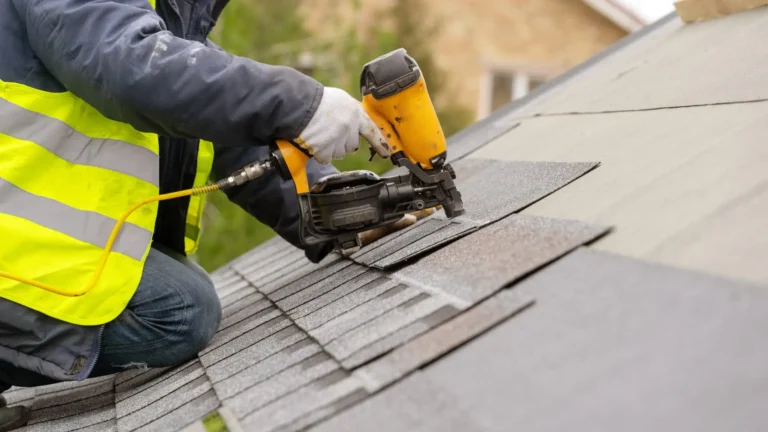
Employing a roofer can cost a little or a lot, typically from $150 up to $15,000 or more. A simple roof check (inspection) costs about $150–$400. Small fixes typically cost $300–$1,500. Changing the full roof is the costliest, frequently $5,000–$15,000 or more for an average house. But these are just rough numbers. The actual price depends on things like the size of your roof, how steep it is, what resources you select, local labor rates and how difficult the job is. A flat, one-story roof is much less expensive than a tall, steep or multi-level roof. Knowing to these aspects helps you plan your budget and avoid surprises when reviewing roofing quotes.
Key Takeaways
-
Standard Pricing for basic inspections typically costs between $150 and $400, while minor repairs range from $300 to $1,500. Full roof replacements for average homes generally fall between $5,000 and $15,000 or more.
-
Variable Cost Factors include the size, slope, and complexity of the roof. Steeper roofs usually cost about 25% more, and prices are also affected by the specific materials chosen and local labor rates.
-
Hidden Expense Mitigation involves budgeting for unforeseen costs like removing old materials, which can range from $1,000 to $3,000, repairing damaged wooden decking that could cost $500 to $3,000 or more, and obtaining necessary permits.
-
Quote Evaluation from a professional estimate should include details on material versus labor costs, with labor typically accounting for 40 to 60% of the total cost. It should also provide a clear timeline and include both manufacturer and workmanship warranties.
-
Payment Standards for reliable contractors generally involve structured payment plans. This usually includes a 10 to 30% deposit followed by progress payments, and no reputable contractor will require the full amount upfront.
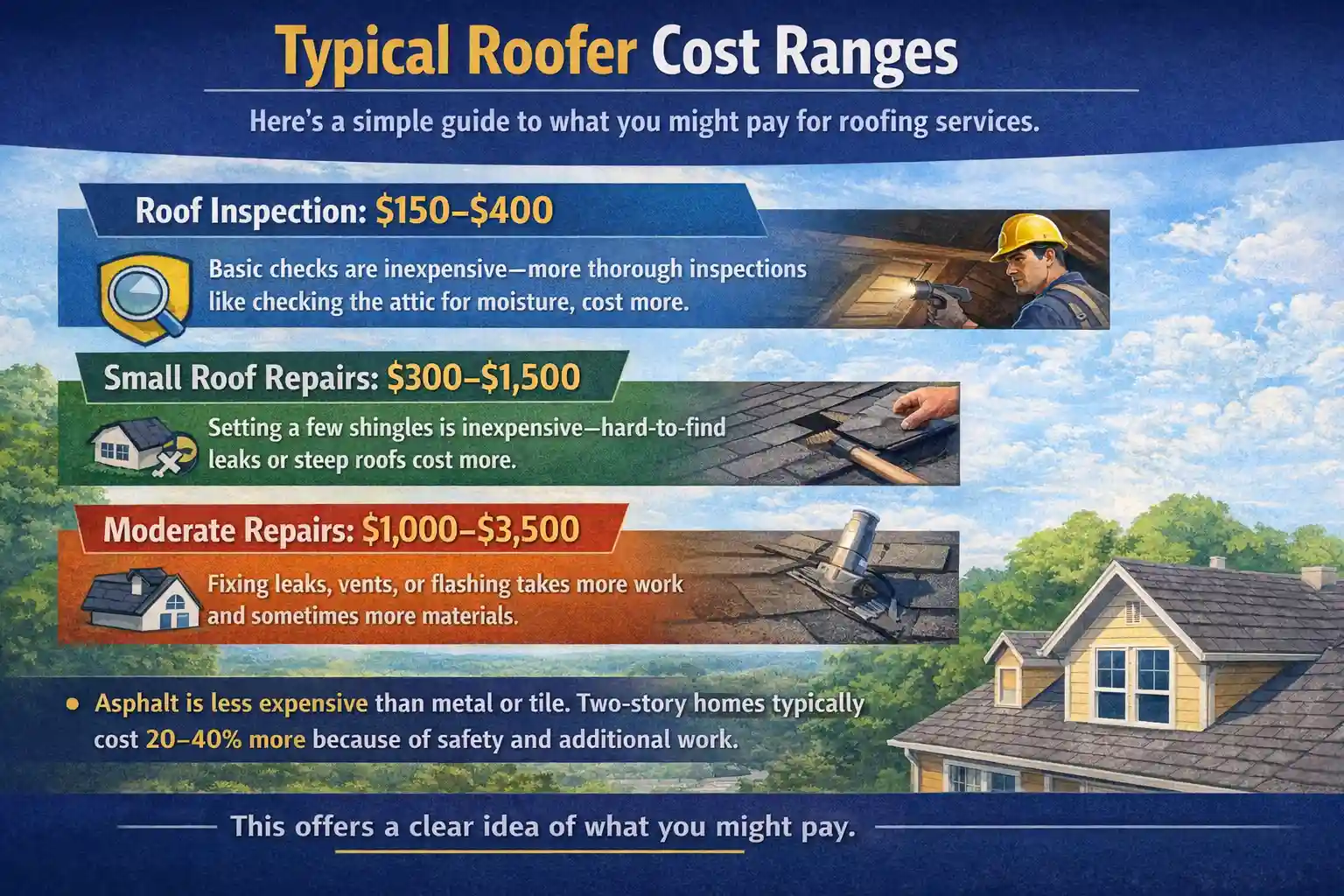
Typical Roofer Cost Ranges
Knowing how much roofers in Virginia Beach might price helps you plan and avoid surprises. Rates depend on roof size, resources, how easy it is to reach and the work required. Even similar jobs can cost different amounts depending on your area. Here’s a simple guide:
Roof Inspection: $150–$400
Basic checks are inexpensive—more thorough inspections like checking the attic for moisture, cost more.
Small Roof Repairs: $300–$1,500
Setting a few shingles is inexpensive—hard-to-find leaks or steep roofs cost more.
Moderate Repairs: $1,000–$3,500
Fixing leaks, vents, or flashing takes more work and sometimes more materials.
Asphalt is less expensive than metal or tile. Two-story homes typically cost 20–40% more because of safety and additional work.
This offers a clear idea of what you might pay.
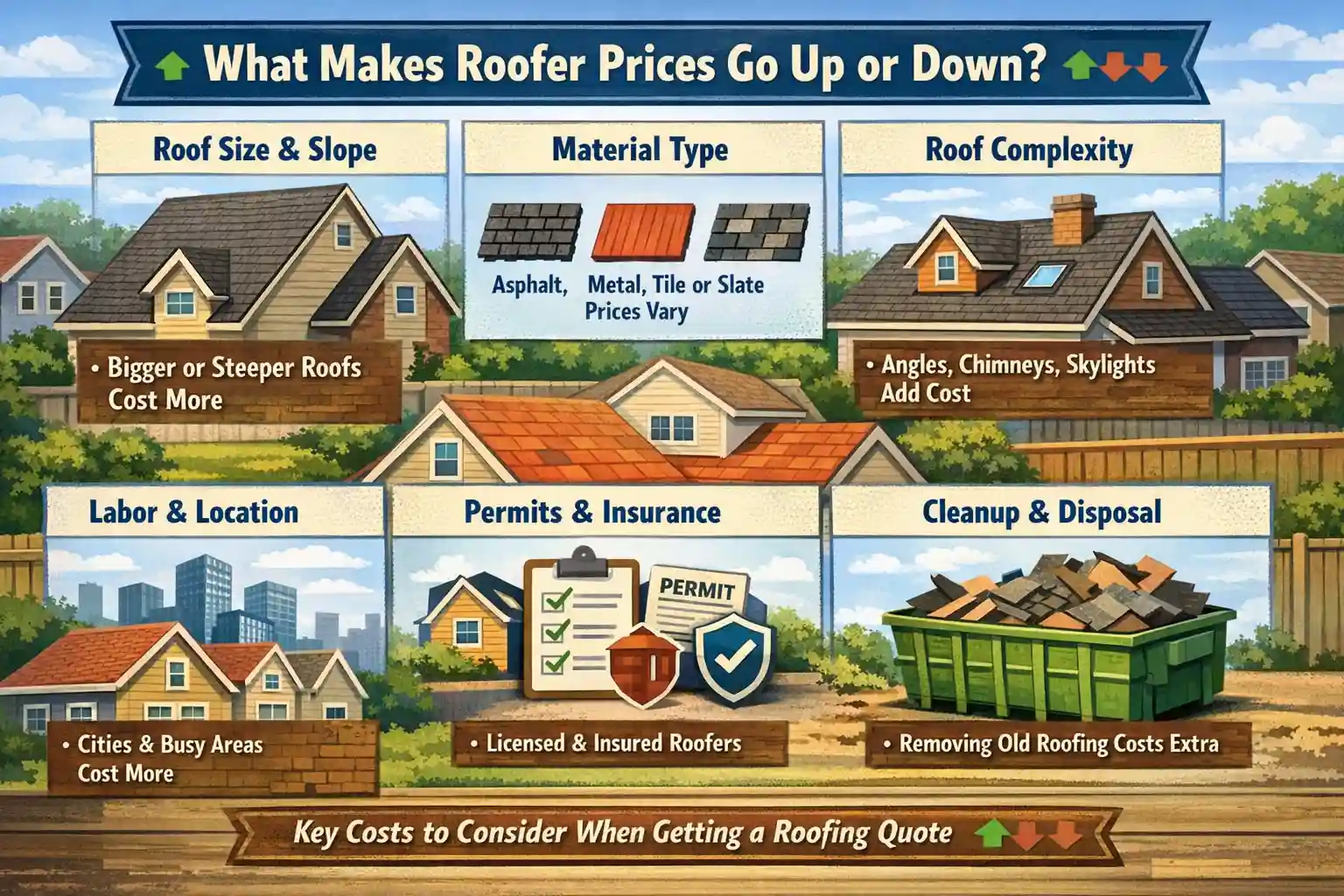
What Makes Roofer Prices Go Up or Down?
Roofing prices are not random. Many things disturb how much a roofer will charge. Knowing them helps you determine if a quote is fair and avoid more surprises. The size and steepness of the roof, the type of resources, and how complicated the roof is all change the price. Local labor rates, permits, insurance and cleanup fees also add to the price. Professional roofers often price higher because they adhere to rigorous residential inspection standards to ensure that every angle, chimney, and skylight is properly sealed and structurally sound.
Main cost factors:
Roof Size & Slope: Bigger or steeper roofs take more time and resources. Steep roofs can cost about 25% more.
Material Type: Asphalt is inexpensive, metal prices are higher and tile or slate is the most costly.
Roof Complexity: Roofs with angles, chimneys or skylights take longer to work on.
Labor & Location: Cities and other busy areas have higher wages.
Permits & Insurance: Licensed, insured roofers cost more but are harmless.
Cleanup & Disposal: Getting rid of old roofing materials adds extra cost.
Knowing these helps homeowners plan, relate prices and select wisely.
Extra Costs People Often Miss
Even if you plan carefully, more costs can arise throughout a roofing project. These often occur due to unseen damage, local instructions or weather. Knowing about them beforehand helps you avoid surprises and relate quotes better.
Common extra costs include:
Removing Old Roofing: $1,000–$3,000. Most roofs require old shingles to be removed before new ones go on. This is typically included in a full residential roof replacement.
Structural Repairs (Decking): Damaged wood under shingles must be changed which can cost $500–$3,000+.
Flashing & Gutter Adjustments: Metal around chimneys or vents may need to be replaced and gutters may need repair or repositioning.
Permit Fees: Typically, $100–$500, liable on local instructions.
Weather Delays: Rain or extreme heat can slow work and raise labor costs.
Example: Two homes with the same size roof can get very different prices if one has hidden water damage.
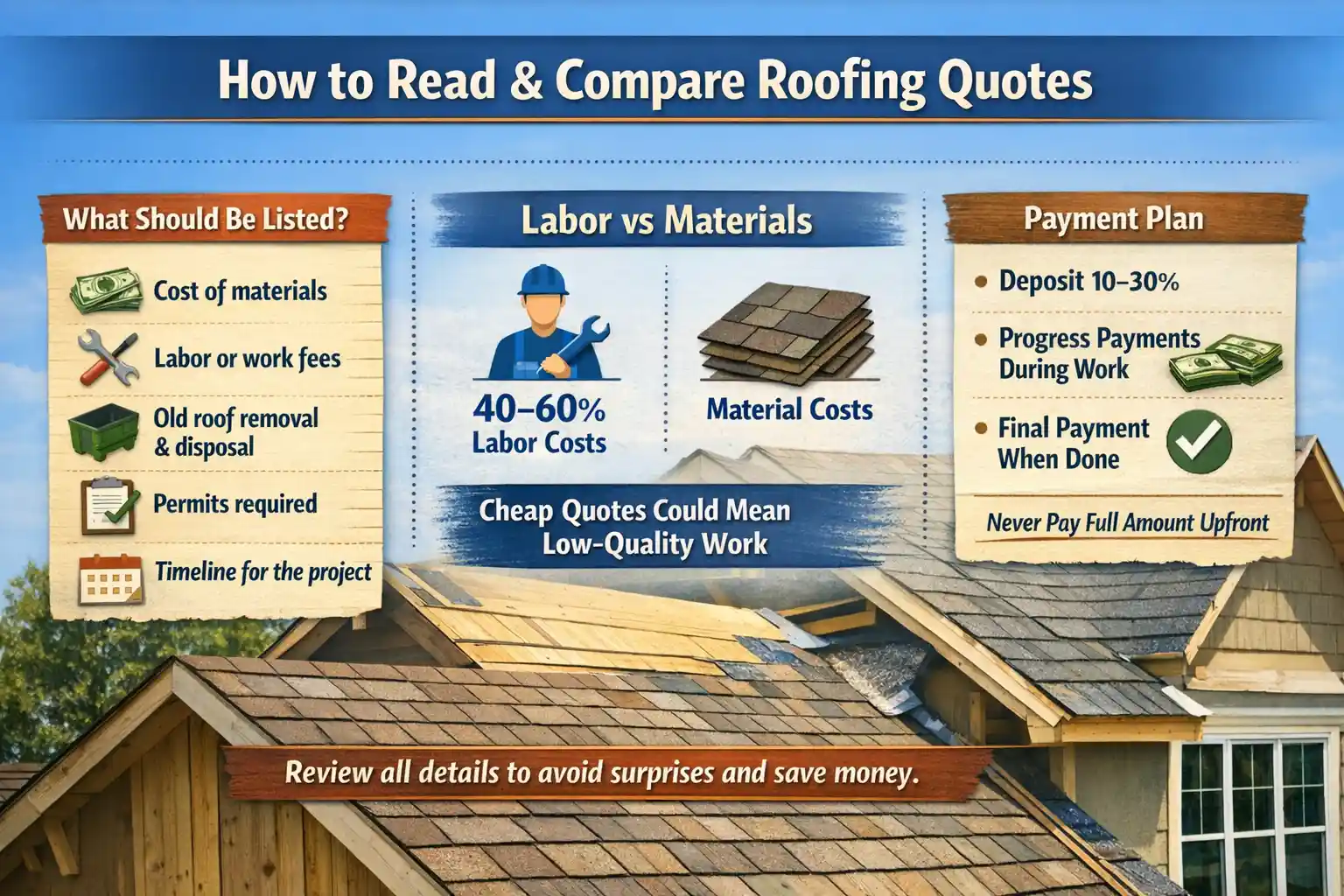
How to Read & Compare Roofing Quotes
When looking at roofing quotes, don’t only check the full price. A clear quote displays accurately what you are paying for and helps you relate to contractors fairly. Knowing what to check can stop surprises and save money.
What Should Be Listed?
- Cost of resources
- Labor or work fees
- Old roof elimination and disposal
- Any permits required
- How long the project will take
Labor vs Materials
- Labor typically makes up 40–60% of the cost
- Very inexpensive quotes might mean lower-quality work
Payment Plan
- Common structure: deposit (10–30%), payments throughout work, final payment once done
- Never pay the full amount upfront
Warranty
- Material warranty (from manufacturer)
- Workmanship warranty (from contractor)
- Longer warranty typically means better quality
Check these points to choose the right roofer without any surprises.
Real Example: Why Two Quotes Can Differ
A homeowner with an 1,800 sq ft roof got two costings: $7,500 and $11,000. The cheaper quote looked better at first, but it only covered basic shingles with a minor warranty. The higher quote included better shingles, taking away the old roof, checking the roof deck and a 10-year artistry warranty. These additional steps help the roof last longer and avoid major repairs later. This displays that a higher price is a better deal as it offers more value, stronger resources and peace of mind. Each time, check what each quote includes, not just the full cost.
Red Flags in Roofer Pricing
When reviewing roofing quotes, watch out for symbols that could cause complications later. Very low prices may look good, but they can mean cheap resources, unlicensed workers or no insurance. If a price is unclear or missing details then you won’t know what you are paying for. Each time, get a written contract that clarifies the work. Never employ a roofer who can’t show insurance or a license—accidents could become your responsibility. Be careful if somebody questions the full payment previously started.
Red Flags to Watch:
- Prices are much lower than others
- Missing or unclear facts
- No contract
- No evidence of insurance or license
- Pressure to pay upfront
Relate quotes, ask questions and select a roofer who is harmless and clear, not only cheap.
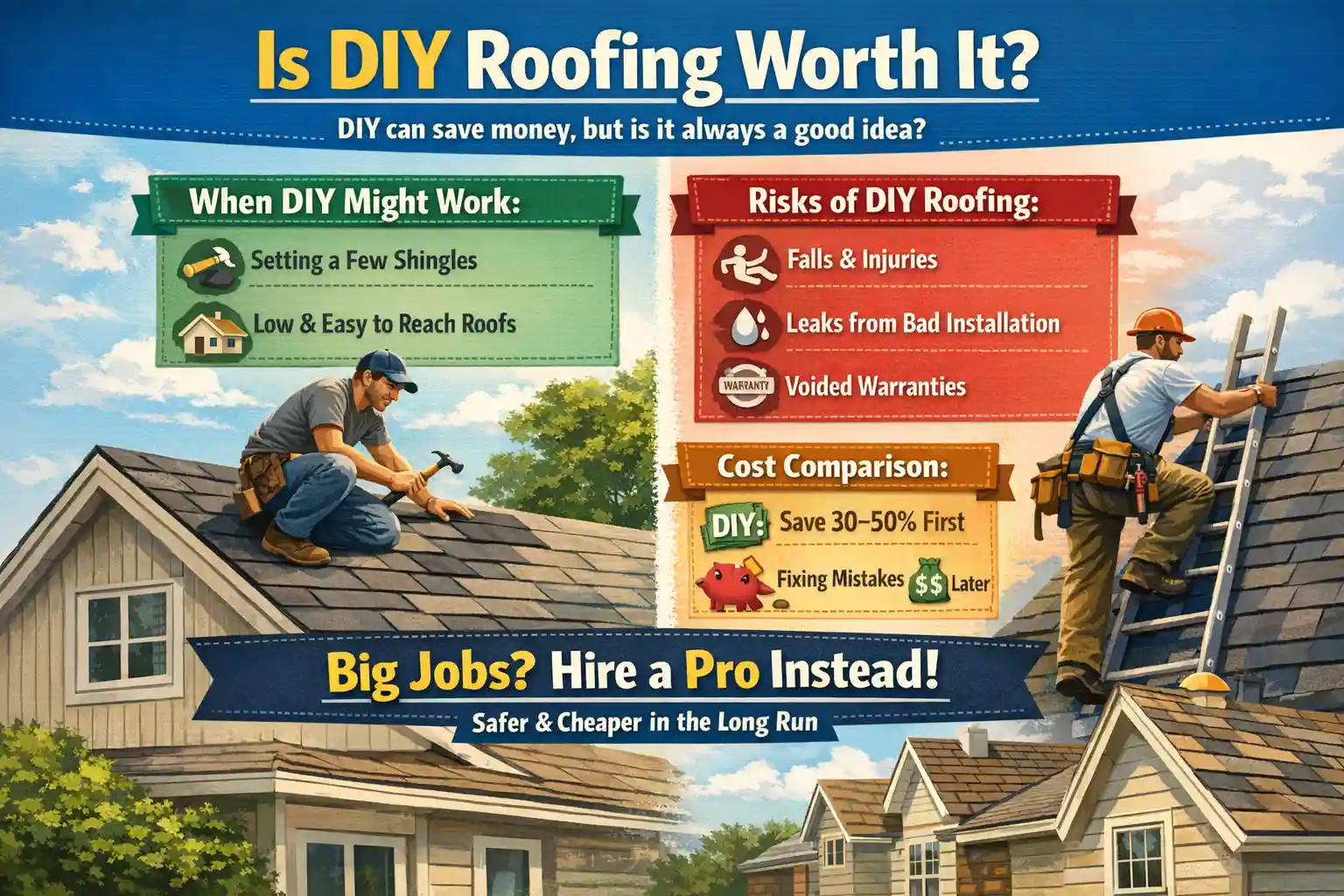
Is DIY Roofing Worth It?
Some homeowners try DIY to save money but it’s not always a good idea. Small jobs are all right but big projects can be unsafe.
When DIY Might Work:
- Setting a few shingles
- Roofs that are low and stress-free to reach
Risks of DIY Roofing:
- Falling and getting hurt
- Putting shingles on incorrectly can bring about leaks
- Warranties may not work if done incorrectly
Cost Comparison:
- DIY can save 30–50% at first
- Mistakes can cost more to fix later
For full roof replacements or complicated repairs, then employing a pro is safer and typically less expensive in long run.
How to Make a Smart Roofing Decision?
To make a smart roofing option, don’t just look at the rate. Get 2–3 quotes from reliable roofers and relate what each one includes. Ask about additional costs such as removing old shingles, disposal or permits, so there are no surprises. Make certain the roofer has a license and insurance to keep you safe. Check their previous work or ask for references to get the quality. By taking time to compare and ask questions then you can stay within your budget and get a strong and continuing roof.
Final Thoughts
To summarize that employing a roofer is not just about the rate. The price includes materials or labor, threats and the complexity of the job. Selecting the cheapest quote can cause difficulties like poor work or more hidden costs. The costliest quote does not always mean the best quality, either. The best method is to know what each quote actually includes and relate them carefully. Select roofers who offer clear, thorough estimates and hold the required licenses and insurance. By watching for transparency and long-term value then you can choose a roofer with confidence or avoid wonders and make sure your roof is done securely, appropriately and lasts a long time.