

What does a roof inspection in Virginia Beach check?
Domi Roofing inspects roofs across Virginia Beach and holds a 5.0 Google rating from 120 reviews. A roof inspection checks the shingles, flashing, vents, roof edges, attic and deck for damage and wear. The National Roofing Contractors Association recommends inspecting a roof at least twice a year, in spring and fall, and after any severe storm.
The calendar for a roof inspection in Virginia Beach writes itself. The Atlantic hurricane season opens on June 1 and closes on November 30, so a spring inspection finds the weak spots before the season starts and a fall inspection finds what the season did. The National Roofing Contractors Association recommends those same two checks a year for any roof. Here the reasons are sharper: salt air off the ocean and the Chesapeake Bay, long humid summers, and about 118 days of rain a year at the Norfolk International Airport weather station.
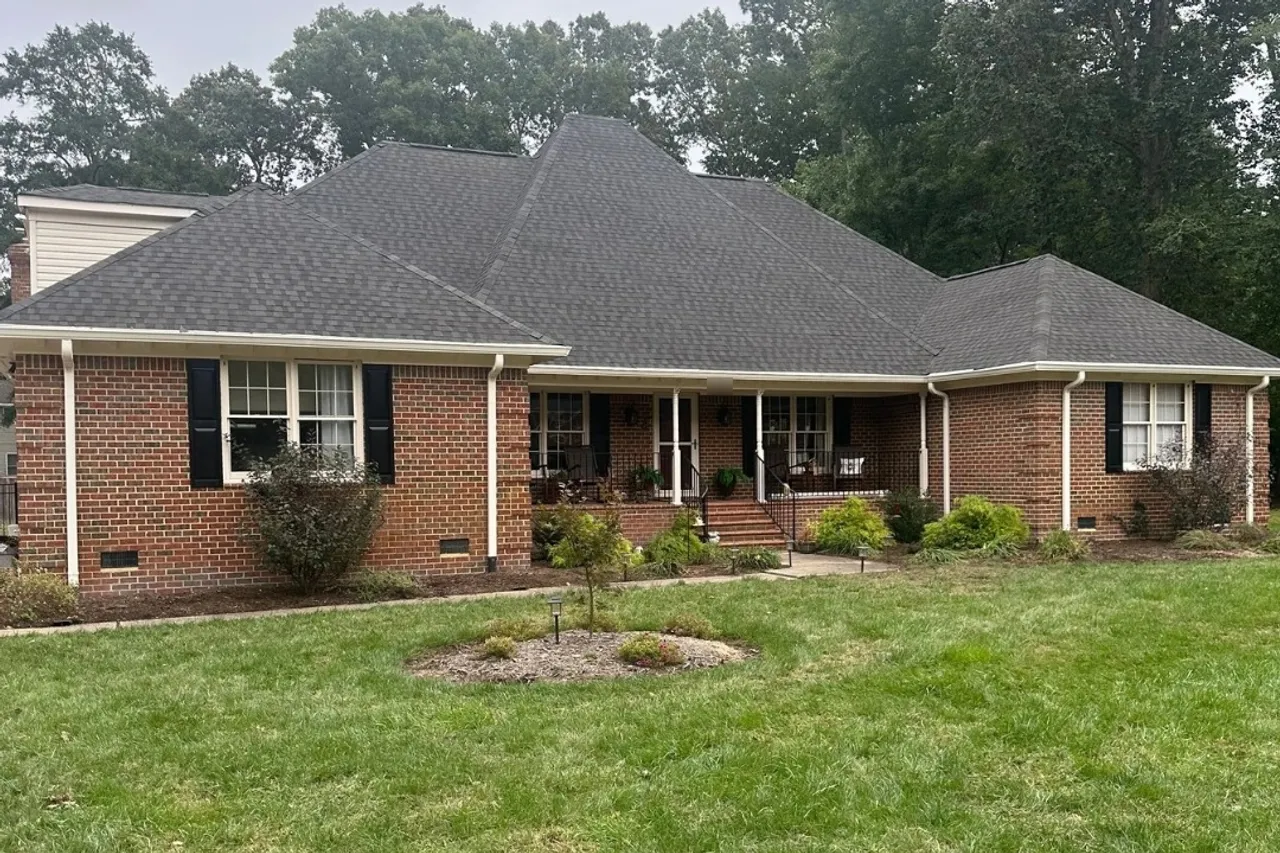
Vasili Liaskos owns Domi Roofing, and roof inspection is one of the services his team offers. One customer, Kyle, described his experience as running "from the initial roof inspection to the completed roof replacement" and called the team "knowledgeable, honest, and incredibly hardworking". Alanton and North Linkhorn Park, two of the neighborhoods we work in, are known for ranch-style houses from the 1960s. A shingle roof lasts 20 to 30 years on InterNACHI's chart, so a house of that age has outlived its first roof, and the age of the current one is the first thing an inspection should establish.
A roofer's inspection covers what can be seen from the roof, the eaves and the attic on shingle, metal, tile and flat roofs. It ends in one of three answers: the roof is sound, it needs a repair, or it is near the end of its life. Domi Roofing is Virginia-licensed and insured, with an office at 2589 Quality Ct #303 in Virginia Beach.
What is included?
The roof covering
Every slope is checked for missing, cracked, curled or creased shingles, for bald patches where granules have washed off, and for nails that have backed out. On metal roofs the check is for loose fasteners, open seams and rust. On tile it is cracked and slipped tiles. On flat roofs it is seams, blisters and standing water.
Flashing and roof penetrations
Most leaks begin where something passes through or meets the roof. The inspection covers the metal flashing at chimneys, walls and valleys, the rubber boots around plumbing pipes, and the seals around skylights. Rust, lifted edges, cracked rubber and dried-out sealant are all noted, because each one is a leak that hasn't shown indoors yet.
Roof edges and drainage
Wind damage starts at the edges, so the eaves, rakes and ridge get a close look. So does the metal drip edge that sends water off the roof and away from the fascia board. Water stains on the fascia or soffit, and shingle granules collected at the bottom of the downspouts, are signs worth following up.
The attic and the roof deck
Half of a roof inspection happens indoors. From the attic, the underside of the deck shows water stains, dark streaks along rafters, rusted nail tips and any daylight coming through. Wet or matted insulation marks where water has landed. Soft or sagging areas found from above are checked from below.
Ventilation and skylights
Intake vents at the soffits and exhaust vents at the ridge let an attic shed heat and moisture, which matters through a humid Tidewater summer. Blocked or missing vents shorten the life of shingles and can cause condensation that looks like a leak. Skylight glass, frames and curbs are checked too. Skylights and attic ventilation are both services we offer.
How does a roofing job run?
Book and share the roof's history
Useful details to have ready: the age of the roof if you know it, any past leaks or repairs, the date of the last big storm, and why you want the inspection. A pre-sale check, a storm check and a routine check each look hardest at different things.
The view from the ground and eaves
An inspection starts with the whole roof seen from the yard and the street: sagging lines, lifted shingles, missing ridge caps, debris in valleys. A ladder at the eaves gives a close view of the first rows of shingles, the drip edge and the fascia.
On the roof
Where the pitch and the condition of the roof make it safe, the surface is walked slope by slope. Shingles are checked for seal and brittleness, flashing for movement, and every vent, boot and skylight for gaps. Roofs too steep or fragile to walk are checked from ladders.
In the attic
With a flashlight in the attic, the deck, rafters and insulation are checked for stains, mold, rust and daylight. Anything found here is matched to the spot on the outside of the roof, so a stain can be tied to a cause.
Findings and next steps
The findings sort into three groups: fine as it is, needs repair, and needs watching. Ask to see photos of anything flagged, since you can't see most of your own roof. If repair or replacement is recommended, compare the reasons with what the photos show.
Do you have to pay for a roof inspection?
It depends on who inspects and what you get at the end. A licensed home inspector charges a fee and hands you a written report, usually as part of a house purchase. A roofing contractor looks at the roof to tell you what it needs, and how roofers charge for that varies from company to company.
Ask Domi Roofing about its inspection charge when you call, and ask the same of any other roofer you are comparing.
When you compare roof inspection cost between companies, ask each one the same three questions. Does the inspection include the attic? Will you see photos? Is the visit an inspection of the whole roof, or an estimate for one repair? The answers matter more than the fee.
How often should a roof be inspected in Virginia Beach?
Twice a year, and again after severe weather. That is the recommendation of the National Roofing Contractors Association, set out in the association's magazine, Professional Roofing: at least two inspections a year, preferably in spring and fall, with extra inspections after events such as a hurricane, tornado or hailstorm.
On the coast the two dates have a clear purpose. A spring inspection, in April or May, comes before hurricane season opens on June 1. A fall inspection, in late November or December, comes after the season closes on November 30 and before the winter nor'easters. The National Hurricane Center puts the peak of the season on September 10.
Between those visits, a look from the ground after every windy night costs nothing. Older roofs, and roofs near salt water, are the ones that most repay the full schedule.
Should a roofer or a home inspector inspect your roof?
They do different jobs. Home inspectors in Virginia are licensed through the Department of Professional and Occupational Regulation. A home inspector reports on the whole house, and the roof is one section of that report. InterNACHI's Standards of Practice for home inspectors say the inspector is not required to walk on any roof surface, and many roofs are viewed from the ground or the eaves.
A roofer inspection goes further on the one system. Roofing inspectors from a contractor get onto the roof where it is safe, lift shingle edges, test flashing and check the deck from the attic. A roofer can also tell you what a repair involves, which a home inspector's report does not.
The two work well together. If a home inspection report flags the roof, a roofing contractor's inspection is the usual next step.
What are the signs you need a roof inspection now?
Indoors: a new ceiling or wall stain, peeling paint near the top of a wall, a musty smell in the attic, or daylight visible through the roof boards.
Outdoors: shingles in the yard after a windy night, shingles that curl at the edges or look bald, granules piling up below the downspouts, a ridge line that dips, or flashing that has pulled away from a chimney.
By the calendar: a shingle roof past 15 years that has never been checked, a roof you have just bought with the house, and any roof after a storm strong enough to bring down limbs in the neighborhood.
Should you get a roof inspection after a storm?
Yes, if the storm was severe. The National Weather Service defines a severe thunderstorm as one with winds of at least 58 mph or hail at least 1 inch across. Winds like that can break the seal on shingles and crease them without tearing them off, and that kind of damage is hard to see from the ground.
Storm damage is also easier to show when it is recorded early. The Virginia Bureau of Insurance advises homeowners to photograph damage before any clean-up, and an inspection soon after the storm ties the damage to the date. Storm damage repair and insurance claim help are both on our service list.
Do you need a roof inspection before buying or selling a house?
It is a simple way to avoid a costly surprise. The roof is among the most expensive parts of a house to replace. The 2025 Cost vs Value Report estimates $25,583 for an asphalt shingle roof replacement in the Virginia Beach market, a published estimate for a standard project and not a Domi Roofing price.
A buyer wants to know the roof's age, whether it has leaked and whether it carries more than one layer. The Virginia Residential Code bans a new layer over a roof that already has two, so a doubled-up roof means a full tear-off next time. A seller who has the roof inspected before listing can fix small problems first and answer the buyer's questions with facts.
Where do we offer roof inspection?
Domi Roofing offers roof inspections in the 7 Hampton Roads cities listed here. Our office is in Virginia Beach.
- Virginia Beach
- Chesapeake
- Norfolk
- Portsmouth
- Suffolk
- Hampton
- Newport News
What do customers say?
-
The Domi team made this (what we thought would be) stressful process of getting our roof done easy. They clearly explained the step by step process a few days before they came out to do the work so we knew what to expect. They were on time and knocked out the job faster than I would have ever expected. I came home from work after them removing all of my existing singles and I couldn’t find one piece of trash or scrap anywhere. Quick, clean, and communicative! New roof looks awesome. 5/5 for Domi!
DrewGoogle review
-
We became aware of Domi Roofing when they were putting a new roof on one of neighbours house. My husband and I commented what good workers they were as we passed by during our walks. A month later we learned we needed a new roof. No hesitation to call Domi. Every step of the process was easy and handled with respect professionalism, and skill, from the owner, the office, and finally the roofers. They were quick, yet efficient and thorough, with every aspect of the job. We HIGHLY recommend you contact Domi Roofing for any roofing issues you may encounter. Thank you Domi Roofing for making this a pleasant experience.
ReneeGoogle review
What do people ask about roof inspection?
How often should I have my roof inspected?
At least twice a year, preferably in spring and fall, according to the National Roofing Contractors Association. It also suggests an extra inspection after severe weather such as a hurricane, tornado or hailstorm. In Virginia Beach that means before June 1 and after November 30.
Can I inspect my own roof?
You can do the ground-level part. Walk around the house with binoculars and look for missing or curled shingles, lifted flashing and sagging lines, then check the attic for stains. Stay off the roof itself. Walking a roof without the right equipment is how people get hurt and shingles get damaged.
How long does a roof inspection take?
It depends on the size of the roof, how steep it is, how many slopes, chimneys and skylights it has, and how easy the attic is to reach. A single-story ranch with a simple roof takes less time than a steep two-story house with dormers.
What is the difference between a roof inspection and a home inspection?
A home inspection covers the whole house and is done by a home inspector licensed through Virginia's DPOR. A roof inspection by a roofing contractor covers only the roof and attic, in more depth, and leads to a repair or replacement recommendation.
Does a roof inspection include the attic?
It should. The underside of the roof deck shows stains, rusted nails and daylight that can't be seen from outside, and the insulation shows where water has landed. An inspection that never goes into the attic has checked only half the roof.
Can an inspection tell me how many years my roof has left?
It can give you an informed estimate, not a promise. InterNACHI's chart lists 20 years for three-tab shingles, 30 for architectural shingles and 40 to 80 for metal. Condition matters as much as age, and salt air, sun and storms age a coastal roof faster than a sheltered one.
Where can I get a roof inspection near me in Hampton Roads?
Domi Roofing inspects roofs in Virginia Beach, Chesapeake, Norfolk, Portsmouth, Suffolk, Hampton and Newport News. The office is at 2589 Quality Ct #303, Virginia Beach, VA 23454, and the company holds a 5.0 Google rating from 120 reviews.